What tests are used for natural health products in Canada?
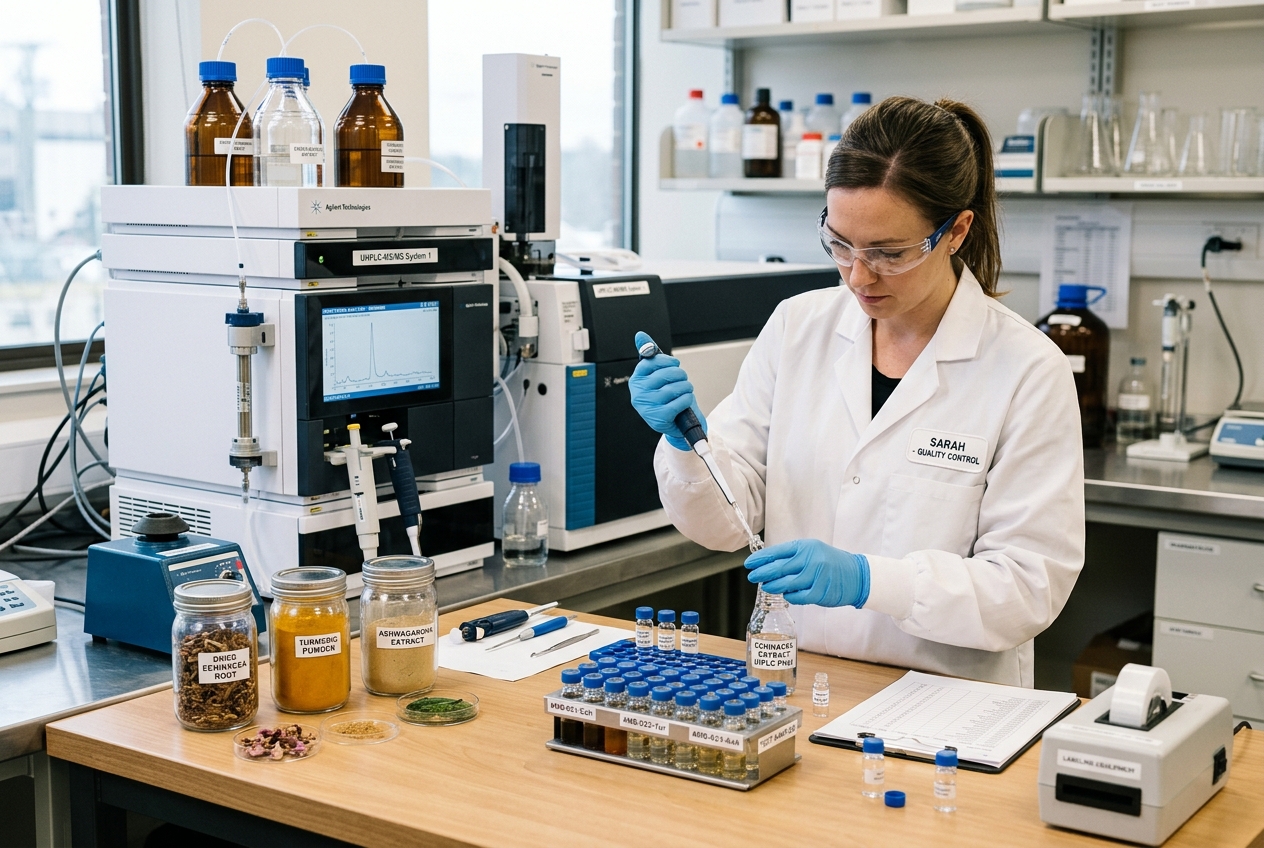
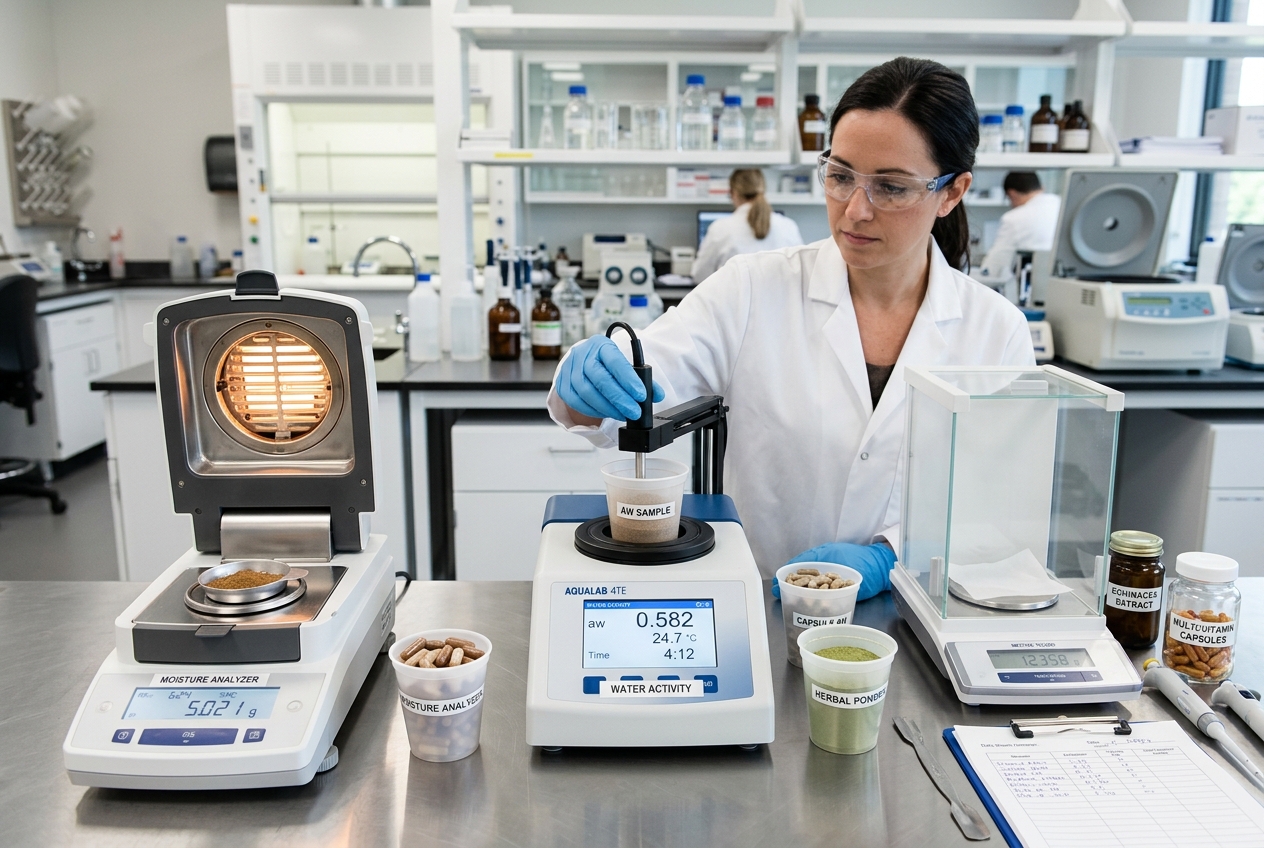
The appropriate testing depends on the product, ingredients, dosage form, specifications and quality risks. Testing may include microbiological enumeration, specified microorganisms, nutritional or compositional parameters, moisture, water activity, mycotoxins, contaminants and other product-specific analyses.
What United States Pharmacopeia testing does PBR provide?
PBR provides selected testing using United States Pharmacopeia <61>, <62>, <2021>, <2022> and <85> for applicable matrices. These methods address different microbiological and endotoxin-testing objectives. Clients should discuss their product matrix, specification and testing objective with PBR to determine the appropriate method.
What is the difference between United States Pharmacopeia <61> and <62>?
United States Pharmacopeia <61> addresses microbial enumeration, while United States Pharmacopeia <62> addresses tests for specified microorganisms. They answer different microbiological quality questions and may be used together depending on the product and specification.
What is the difference between United States Pharmacopeia <2021> and <2022>?
United States Pharmacopeia <2021> addresses microbial enumeration for applicable nutritional and dietary supplement products, while <2022> addresses testing for specified microorganisms in applicable supplement matrices.
Does PBR provide United States Pharmacopeia <85> endotoxin testing?
Yes. PBR's service catalogue documents United States Pharmacopeia <85> bacterial endotoxin testing using the Gel-Clot Assay. Clients should confirm matrix applicability and sample requirements with PBR before submission.
Can PBR test supplements for nutritional composition?
PBR's documented capabilities include protein, carbohydrates, dietary fibre, sugars, fats, fatty acids, selected minerals, ash, moisture and selected vitamins. The appropriate panel depends on the formulation and analytical objective.
Can botanical ingredients be tested for mycotoxins?
Yes, for applicable matrices. PBR's documented capabilities include aflatoxins and Ochratoxin A. Because mycotoxins can be unevenly distributed, representative sampling is important when results will support lot-level decisions.
Should ingredients or finished natural health products be tested?
It depends on the analytical parameter, product specification and decision. Ingredient testing may support supplier and incoming-lot decisions, while finished-product testing can support assessment against finished-product specifications.
What should I do when a natural health product result is outside specification?
Review the result against the applicable specification and consider sample representativeness, matrix suitability, analytical method, ingredients, supplier information and manufacturing records before deciding on follow-up testing. The appropriate response depends on the product and quality system.
Does PBR provide natural health product testing outside Alberta?
Yes. PBR is based in Edmonton and supports clients throughout Alberta, Western Canada and Canada. Contact PBR to confirm matrix suitability, sample requirements and available testing.